Project-A++ develops mobility assesment cards
A new iSPACE project is developing a method for assessing mobility costs and options, paving the way for the creation of a Mobility Certificate.



A new iSPACE project is developing a method for assessing mobility costs and options, paving the way for the creation of a Mobility Certificate.
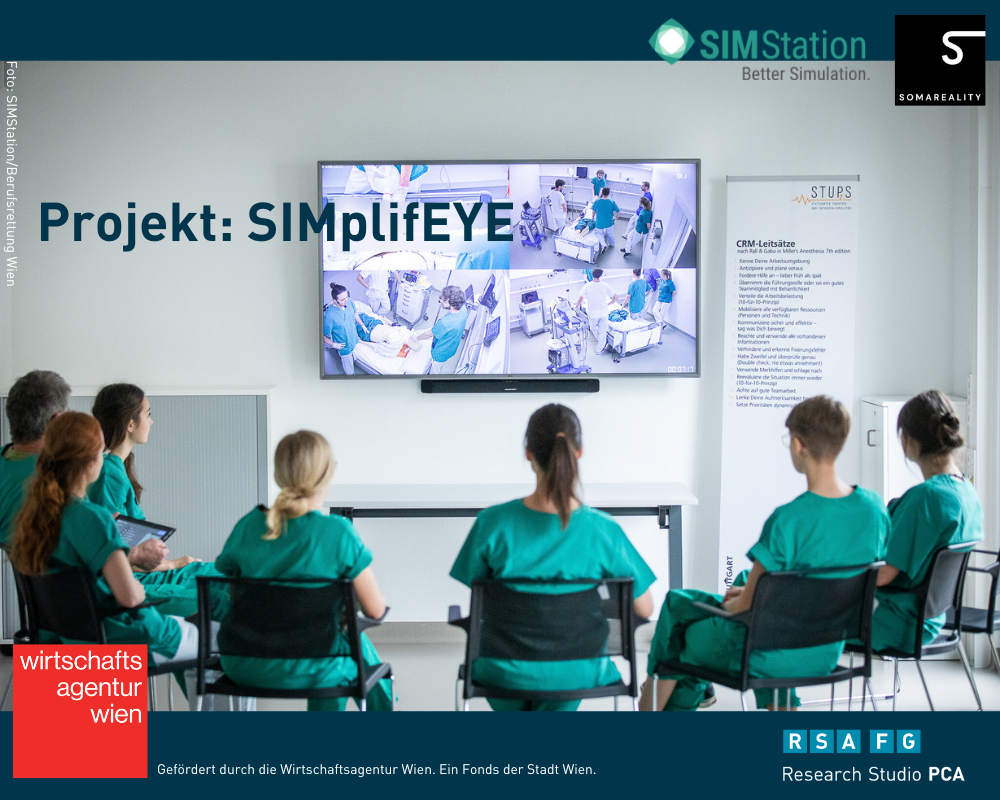
In order to react correctly in an emergency, first responders and medical professionals have to invest a lot of time in training. However, previous simulations often rely on subjective observations and do not provide an objective assessment of performance - data-based approaches and automatable analyses are lacking.
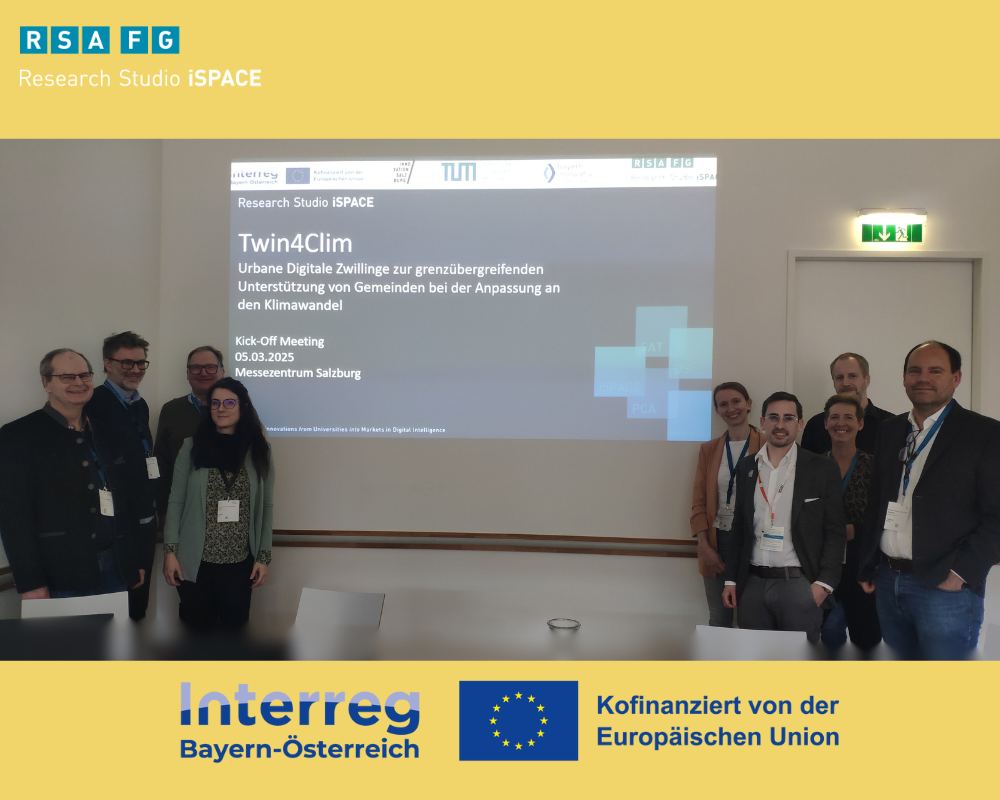
The Alpine region, and therefore also the border region between Salzburg and Bavaria, is particularly affected by climate change. The effects are becoming increasingly visible and noticeable due to the increase in extreme weather events such as heat and drought periods, heavy rainfall, hailstorms, forest fires and storms. It is therefore all the more important to proactively take appropriate measures to adapt to climate change and thus reduce the negative effects.
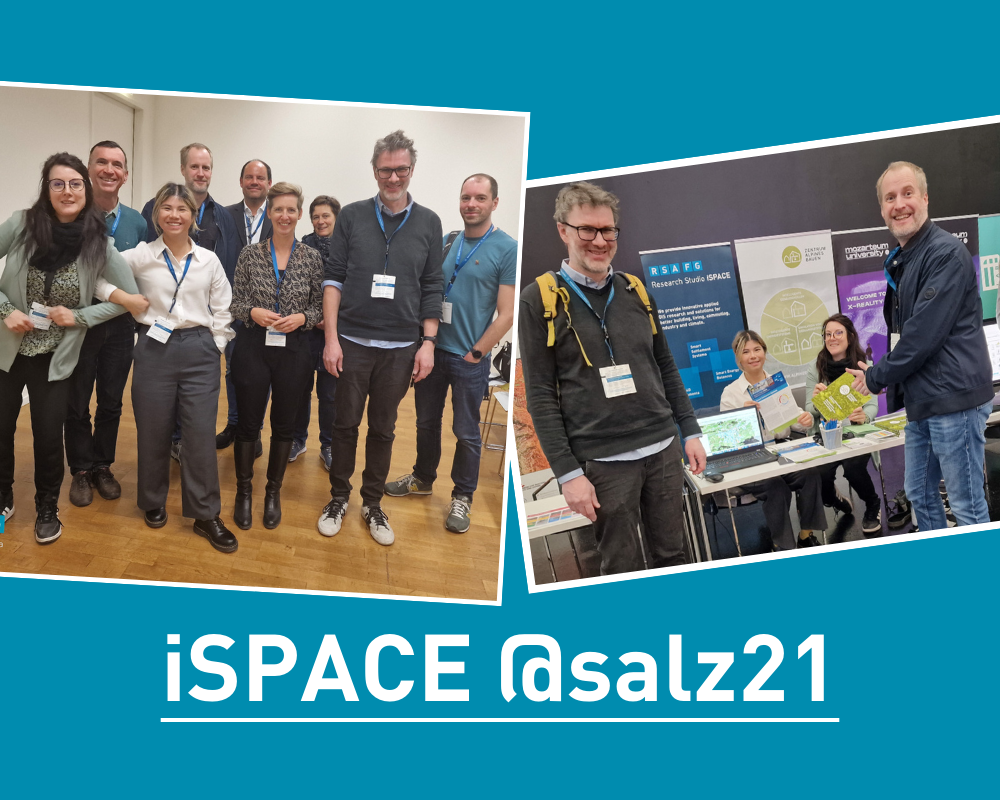
At salz21 | Home of Innovation, the iSPACE team focused on opportunities in the age of digital technologies, data and AI with the specialist workshop “Planning innovations for climate-resilient communities and regions”. The project team from the Center for Alpine Construction also presented its research.
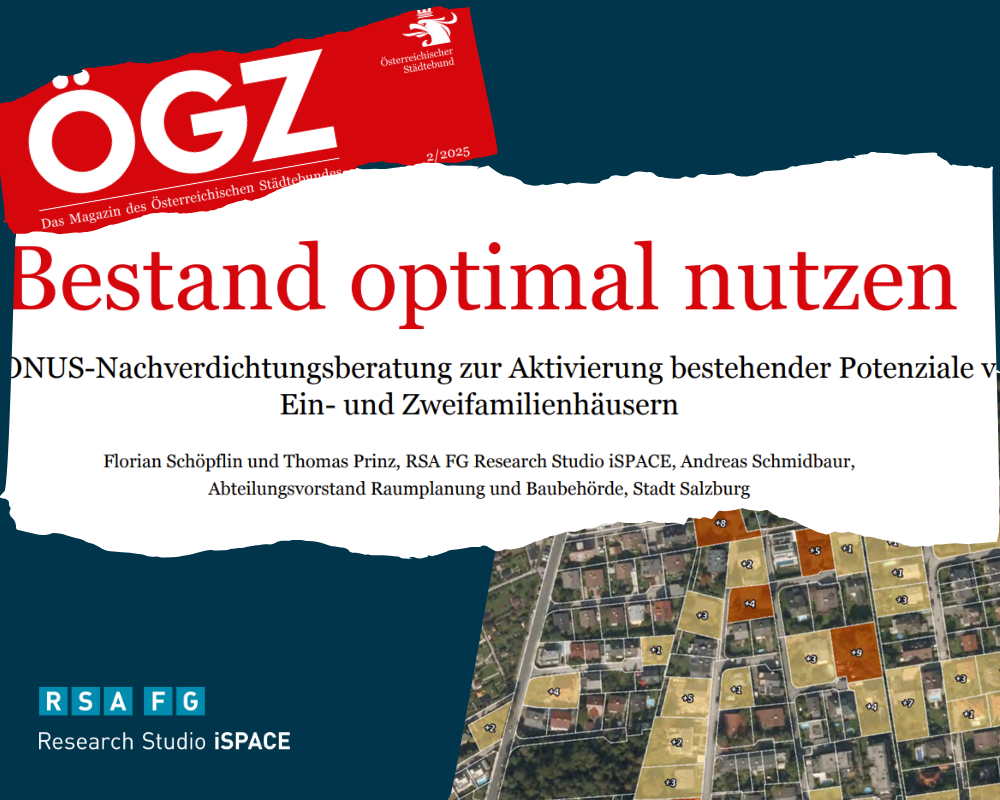
Thomas Prinz and Florian Schöpflin present the BONUS/BONANZA project in the current issue of ÖGZ.
Home of Innovation – salz21 präsentiert wegweisende Entwicklungen von Mobilität der Zukunft bis hin zu künstlicher Intelligenz. RSA FG iSPACE ist mit einem Workshop zu "Smarte Gemeinden" mit dabei.
The EU project Pace-DPP makes it easier for companies to convert and implement the ESPR regulations for more sustainable products. The project is coordinated by Virtual Vehicle Research GmbH.
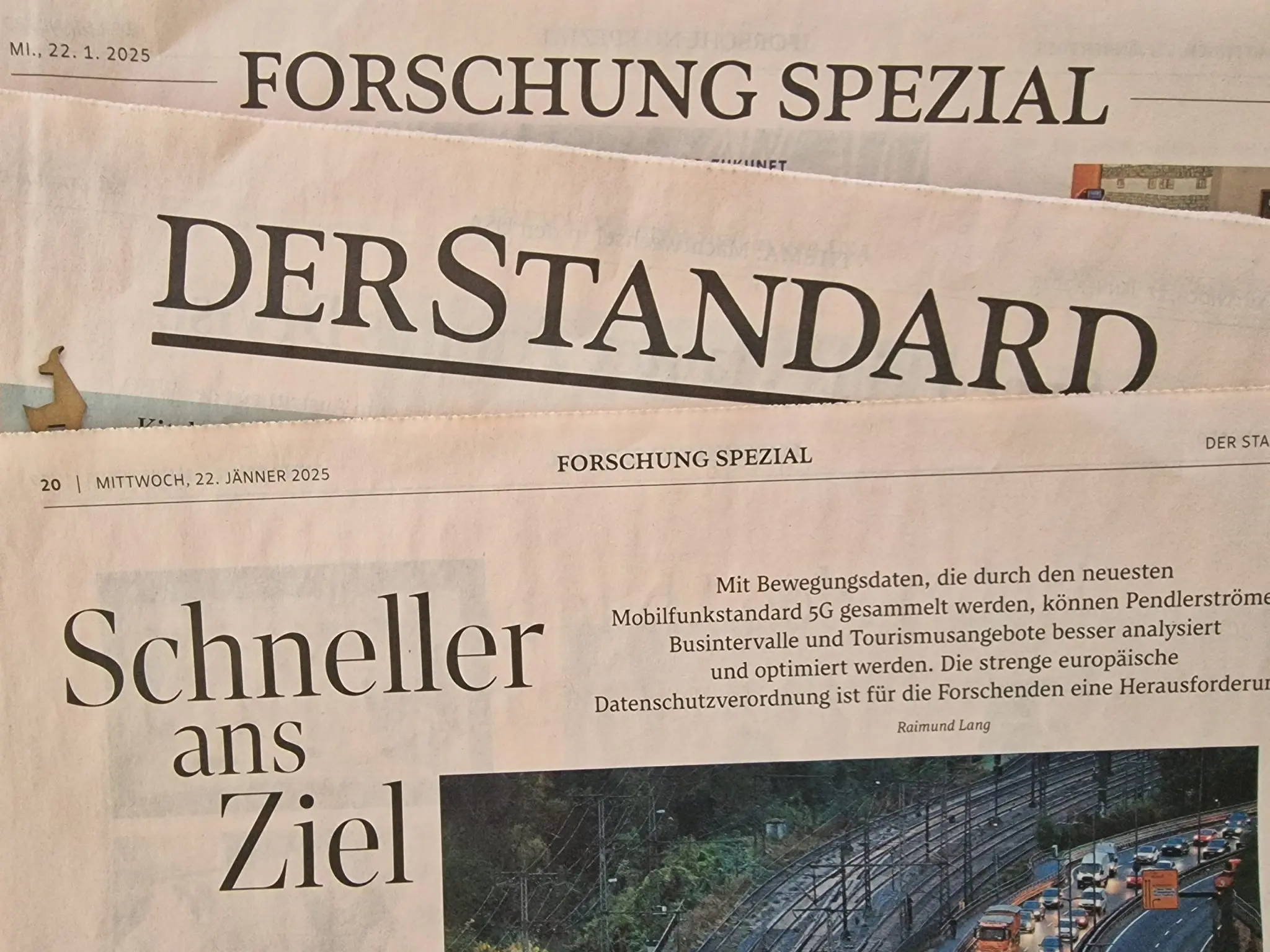
iSPACE-Researcher Florian Schöpflin and Studio Director Thomas Prinz talked about their project "5G-Mobis" with the Austrian newspaper DER STANDARD. In a special feature about current research projects they showed how data from mobile networks was used in 5G-Mobis.
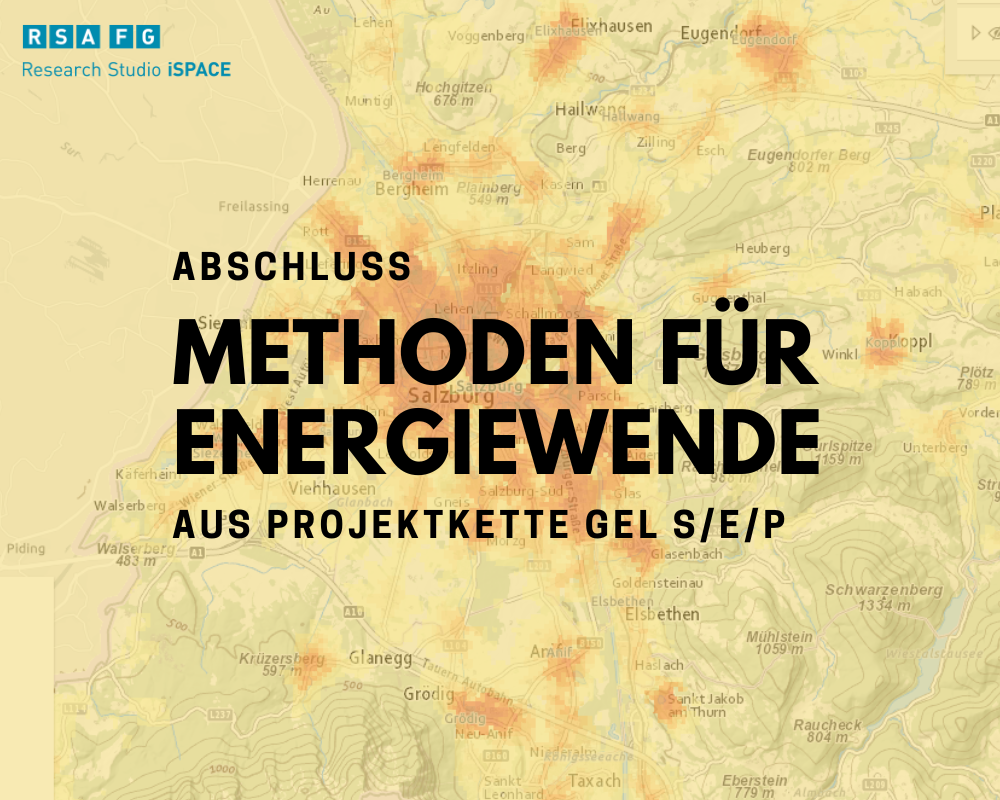
Over a period of six years, 24 project partners created first a HEAT atlas and then an ENERGY atlas, which is already being used in three Austrian federal states.
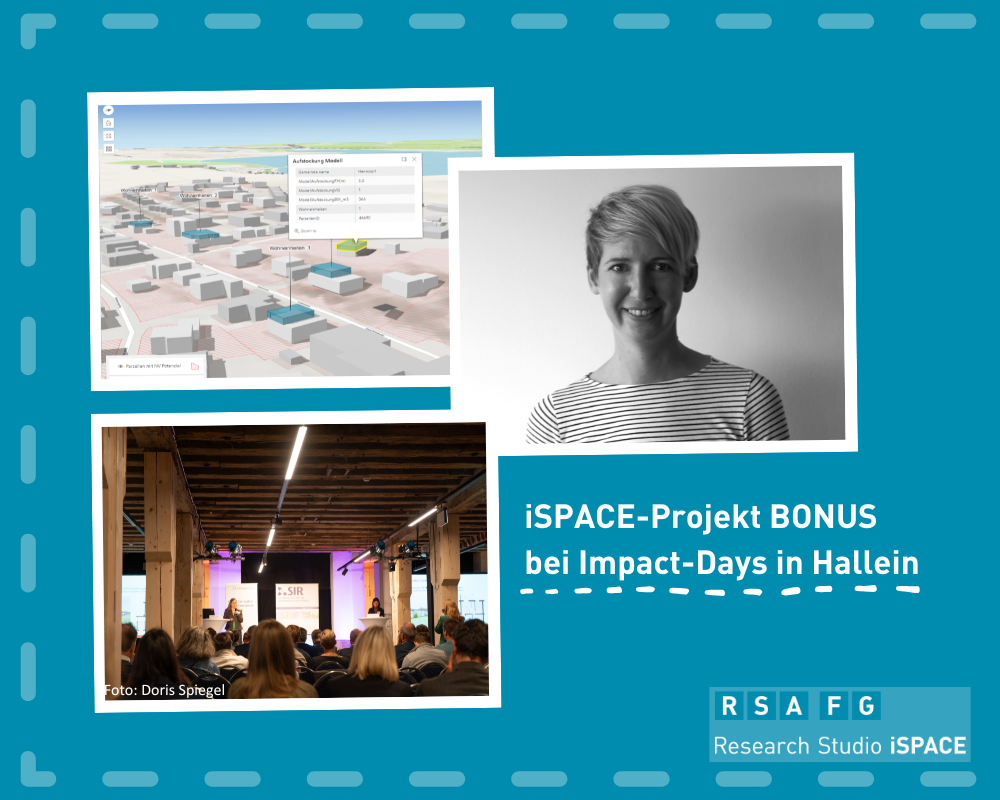
At the RENOWAVE.AT Impact Days in Hallein, the Innovation Lab cooperated for the first time with the Alpine Building Network and the SIR - Salzburg Institute for Spatial Planning and Housing. ISPACE researcher Sabine Gadocha gave a presentation on redensification potential in Salzburg and strategies for mobilising it.