AIMS5.0 at EDGE AI EEAI 2024 in Sardinia
Looking back at the EdgeAI EEAI 2024 conference.


Looking back at the EdgeAI EEAI 2024 conference.
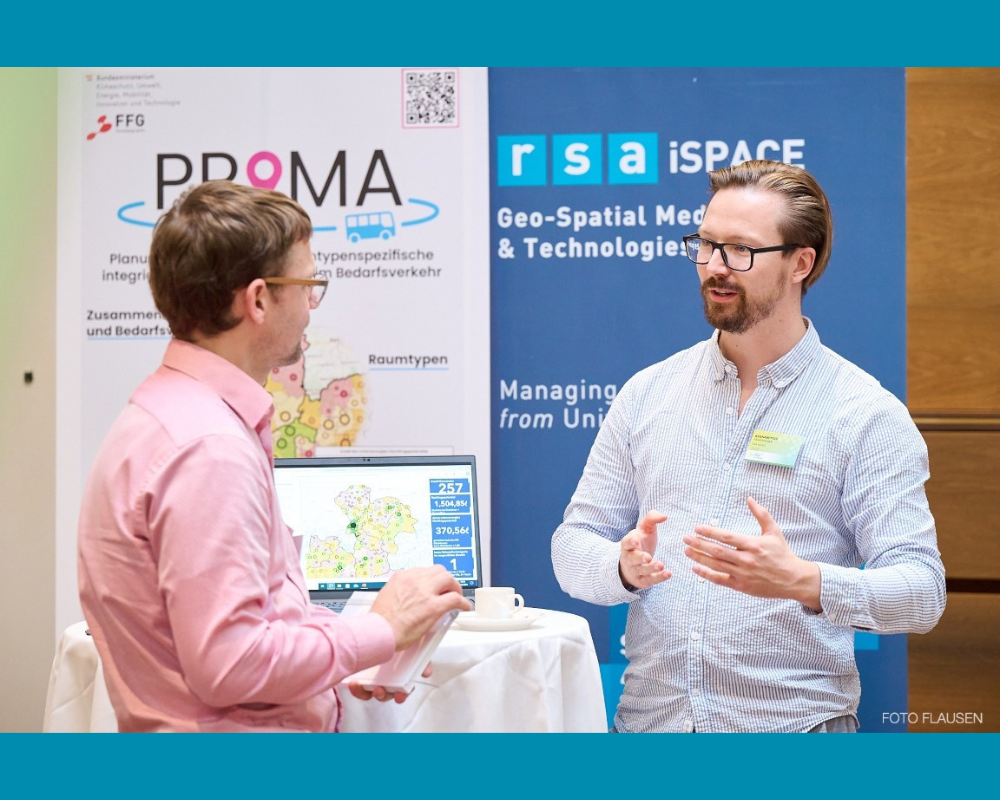
The numerous participants at the Mobility Forum considered the roadmap for the future. Both the PRIMA project and the zukunftswege.at mobility laboratory were presented in the new ‘Sciene&Innovation’ format.
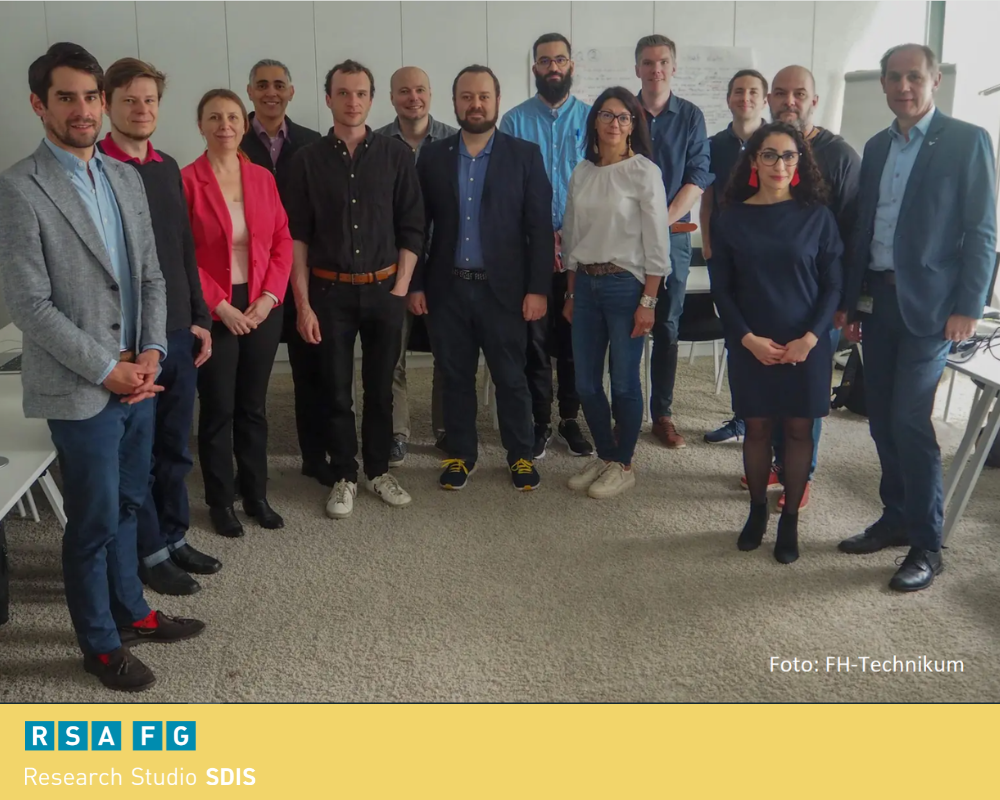
Senior Researcher Belal Abu Naim presented how AI is used in the EU-wide SDIS project at the final event of the FFG project KITE
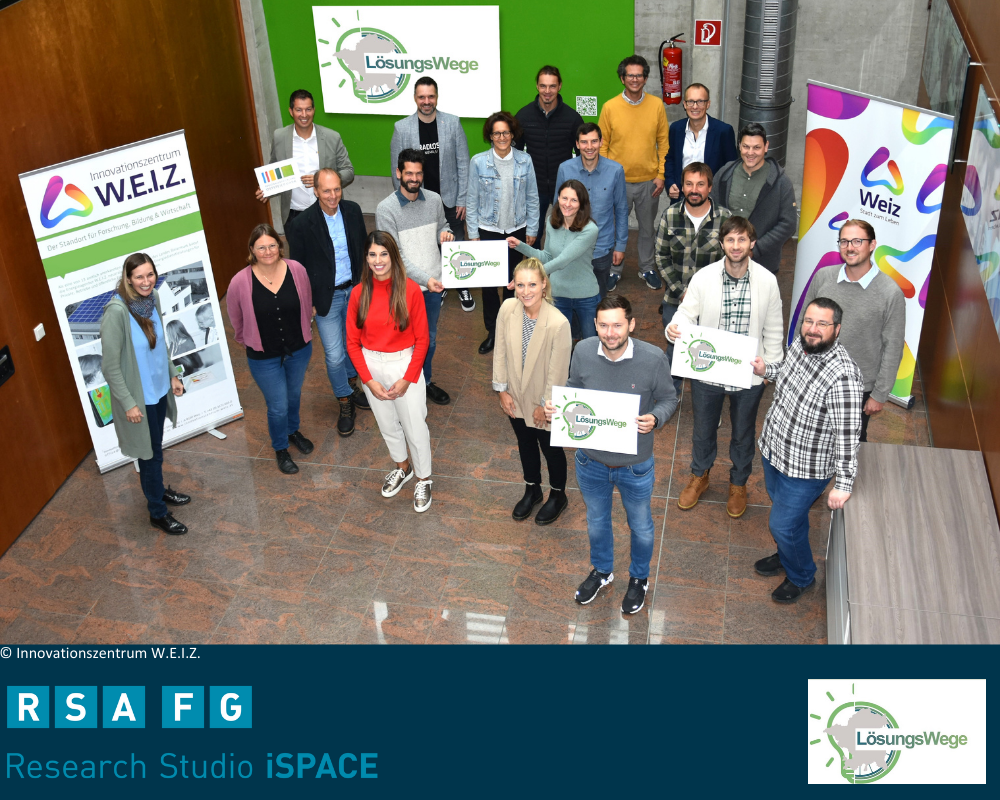
In the LösungsWege project, the Salzburg studio is working together with a large consortium on inter-municipal, regional mobility solutions.
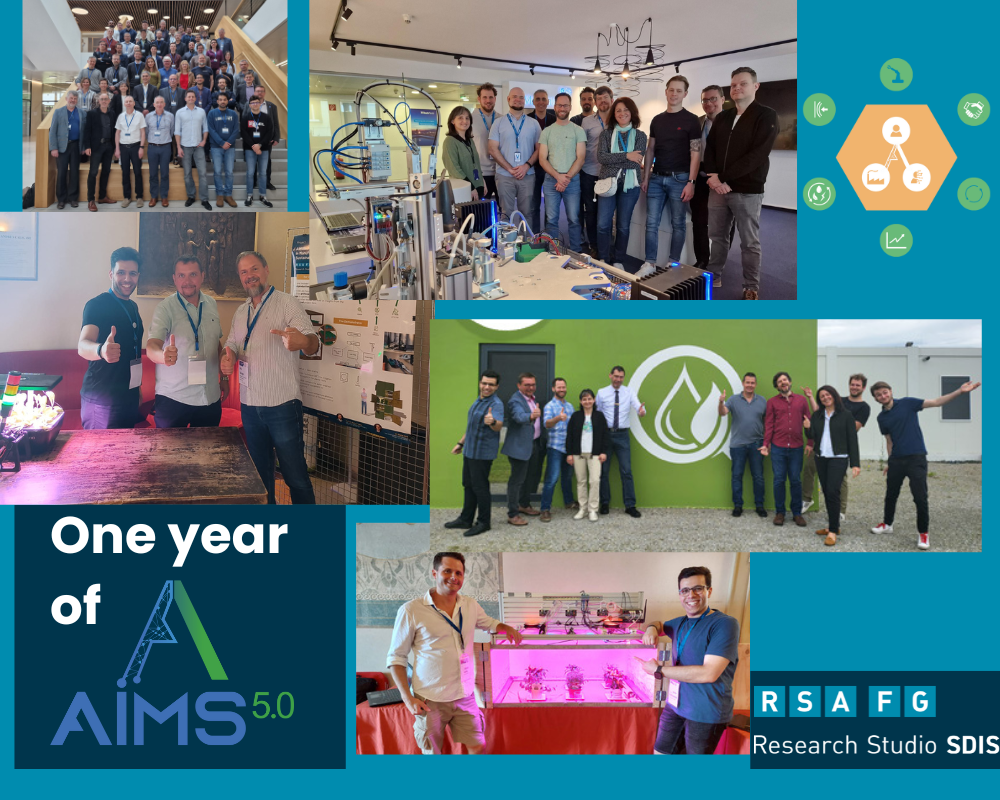
The RSA FG studio SDIS in St. Pölten participates as a consortium member, work package leader and partner in the EU- and FFG funded project AIMS5.0, coordinated by Infineon Technologies AG. In the past year, it hosted two events to further the project’s efforts to enhance European digital sovereignty by integrating AI-enabled hardware and software components across the entire industrial value chain.
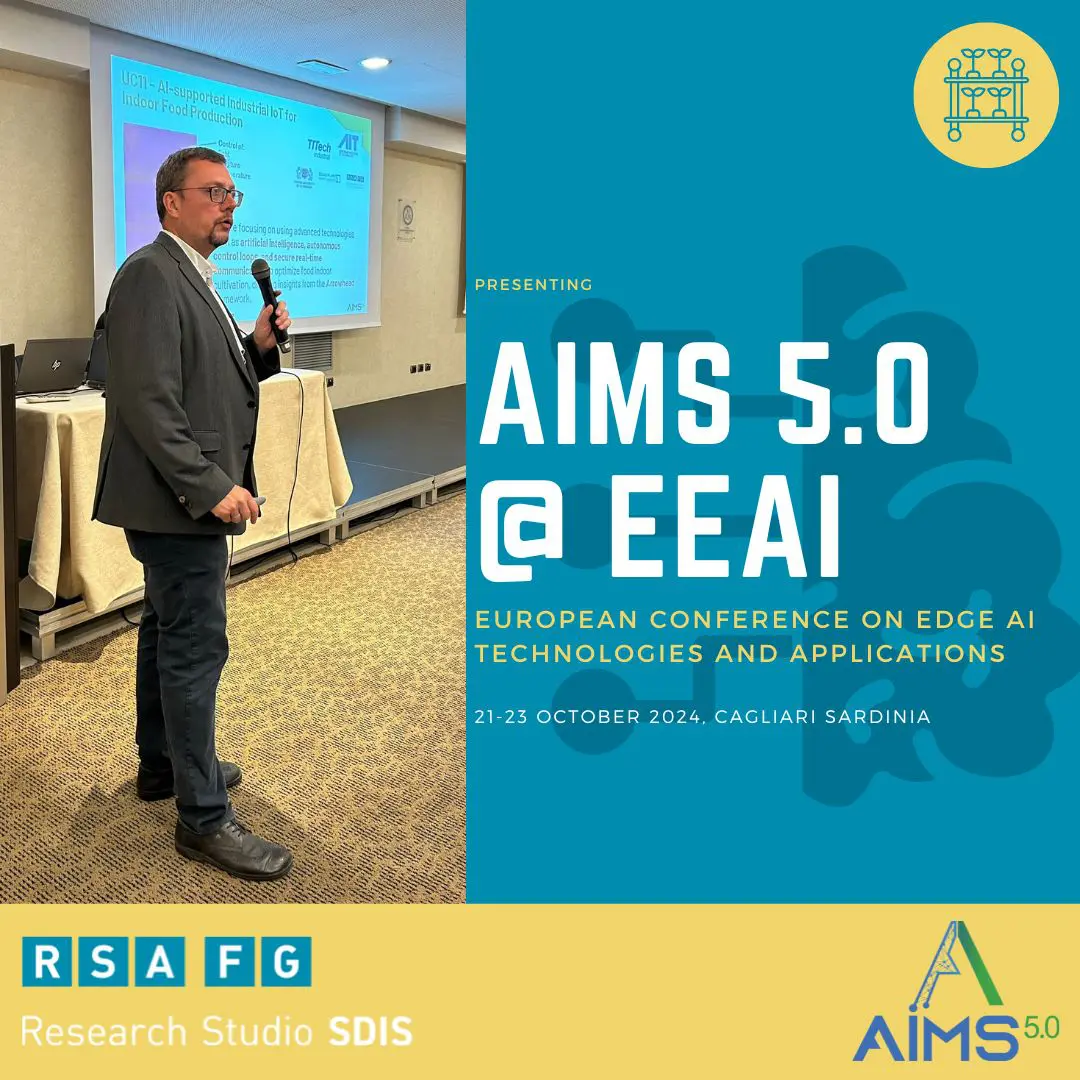
Markus Tauber gave a presentation on the Arrowhead framework and how it's used in AIMS5.0
For five days the upcoming talents in the STEM-sector met for a summer school on microelectronics in Italy. Chief scientific officer Markus Tauber and SDIS-researcher Yasin Ghafourian gave them an insight into their work.
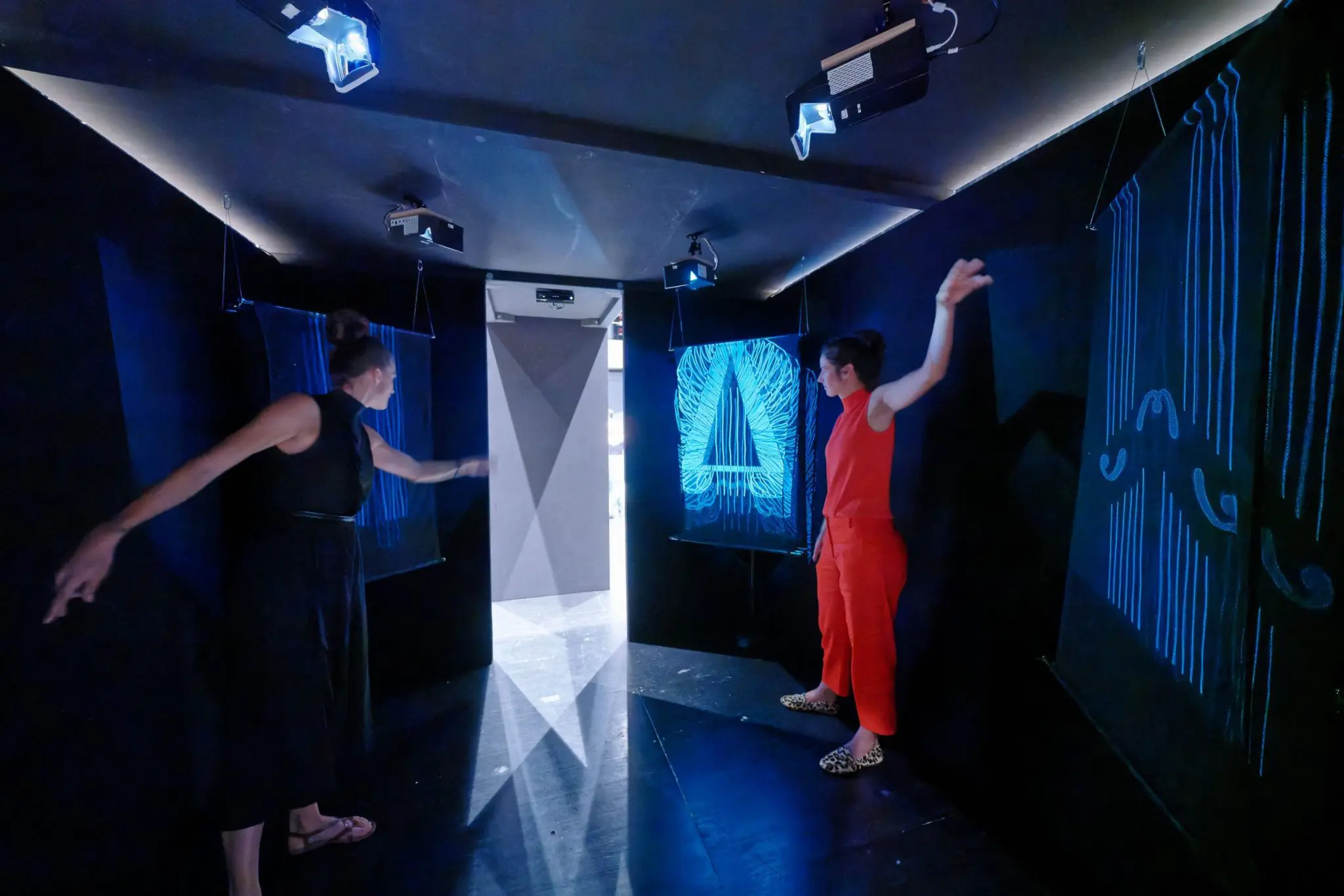
The Ars Electronica Festival for ‘Art, Technology and Society’ is starting again in Linz these days. Exactly one year ago, the ‘Spot on MozART’ project by Studio PCA and the Mozarteum University was represented there.
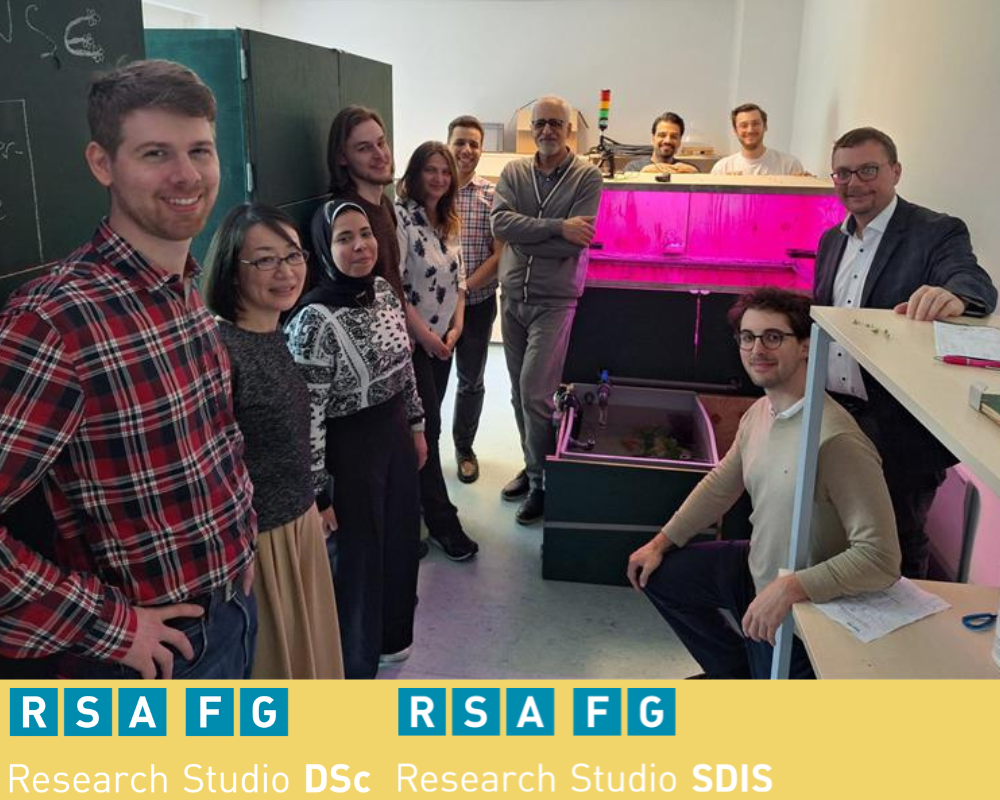
The RSA FG studios Data Science (DSc) and Smart Digital Industries and Services (SDIS) have a new Studio Director: Amin Anjomshoaa, senior researcher at the WU Vienna, takes over from Stefan Gindl.
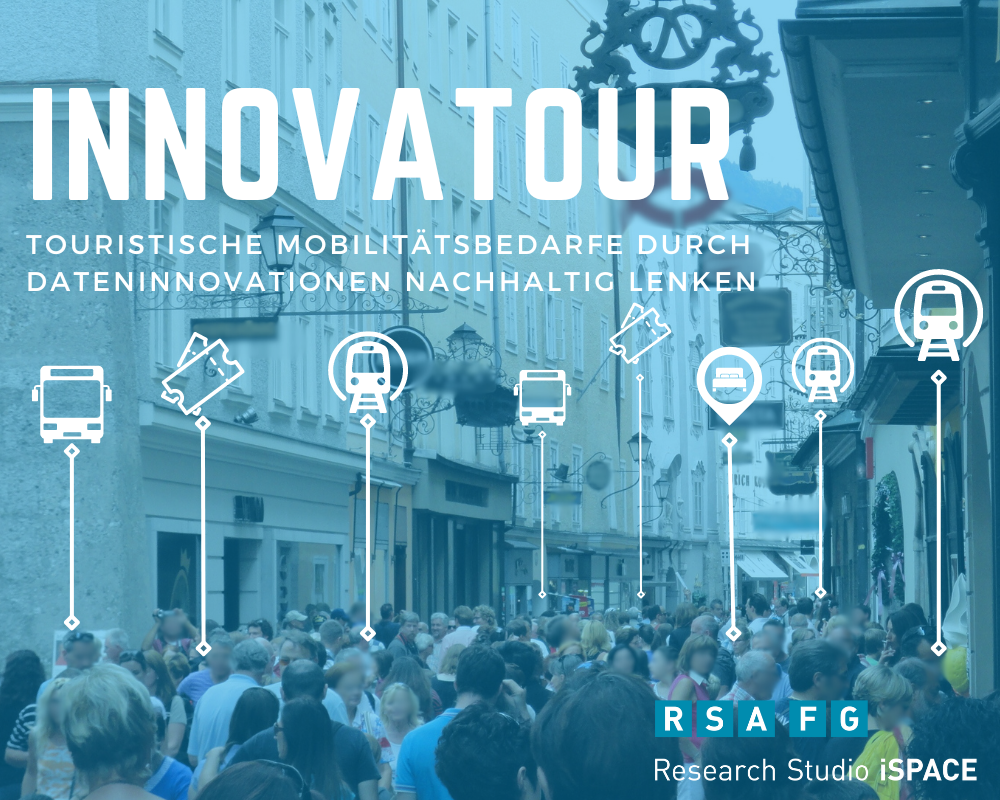
The INNOVATOUR research project (sustainable management of needs-based tourism mobility requirements through data innovations) addresses tourism mobility as an important field of action in transport planning. The aim of the project is to develop new mobility indicators by tapping into and analyzing previously unused data sources in order to better understand mobility behavior in tourism and reduce car use. This involves analyzing a wide range of previously unused or hardly used tourism data, such as overnight stays, booking data and admission tickets. In Salzburg and Styria, practical use cases for needs-based mobility services in the environmental network are being developed. The promotion of safe, affordable and sustainable mobility offers in the tourism context as well as more inclusive access should be at the end of the project.